


Grant Spotlight: ESL/STEM Camp — Life on Earth, AND BEYOND!
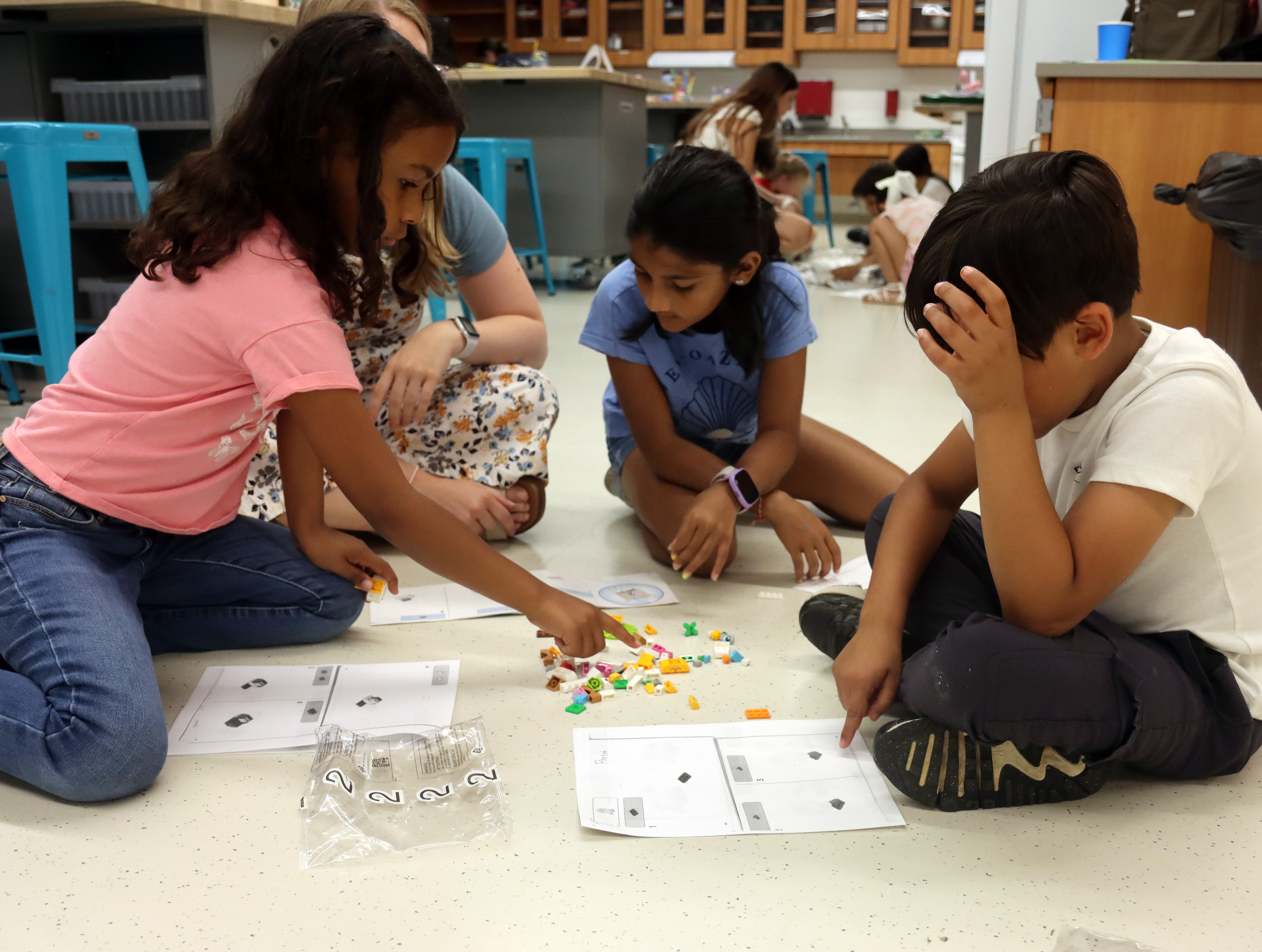
This summer, English Language Learners from Smoketown and Brownstown Elementary Schools blasted off on a two-week adventure that combined hands-on science with hands-on language learning — thanks to a CVEF grant awarded to ESL teachers Elizabeth Hopta and Jennifer Harrington.
The camp, held July 13–17 and July 20–24, brought together 20–25 students in grades 2–5 for a program built around two big questions: how do animals survive on Earth, and how might humans survive beyond it? Through "Life on Earth" (Animal Week) and "And Beyond" (Space Week), students explored science content while strengthening their English language skills side by side — comparing animal adaptations, explaining cause-and-effect relationships, and building the academic vocabulary to talk and write about what they were discovering.
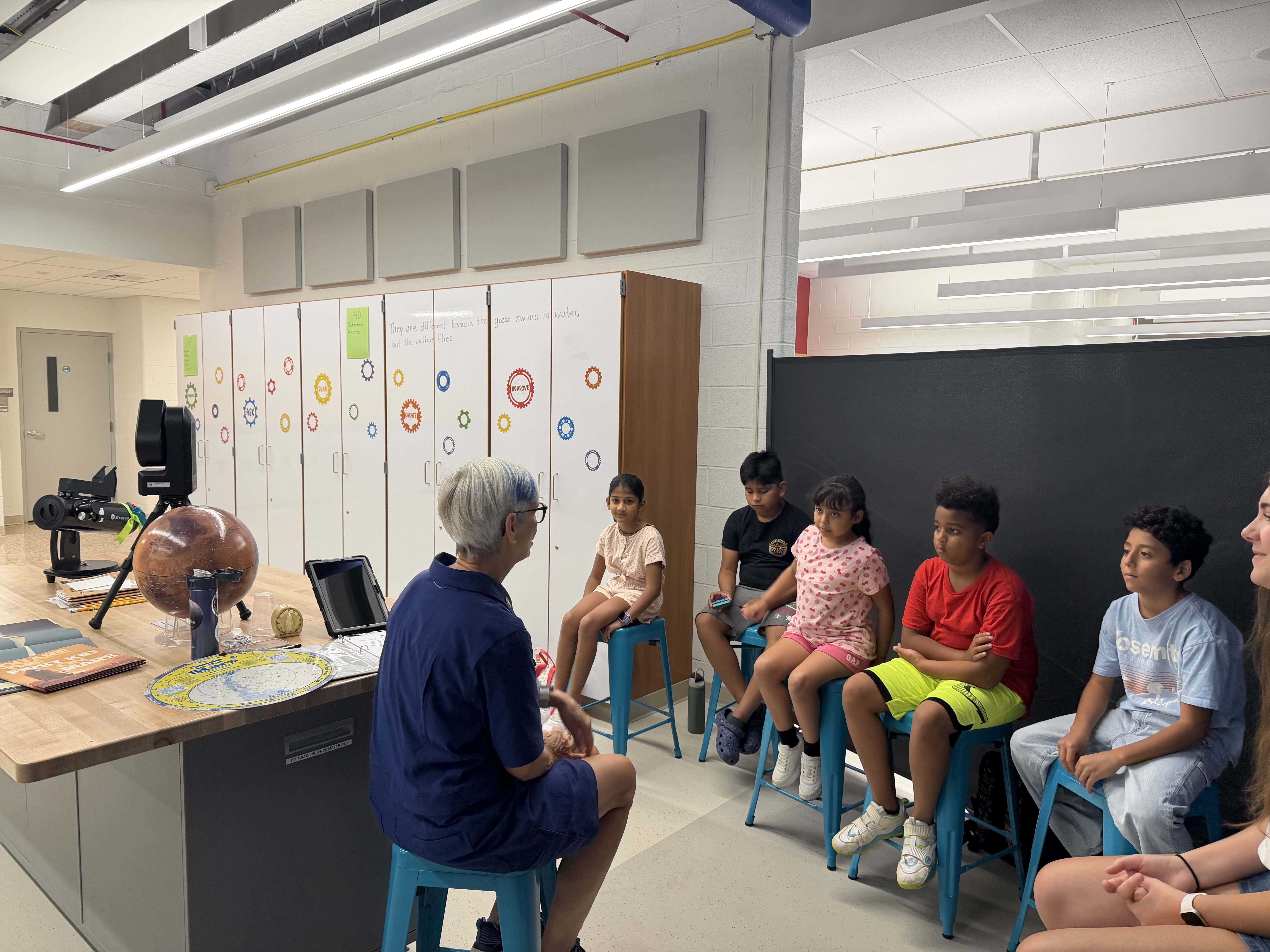
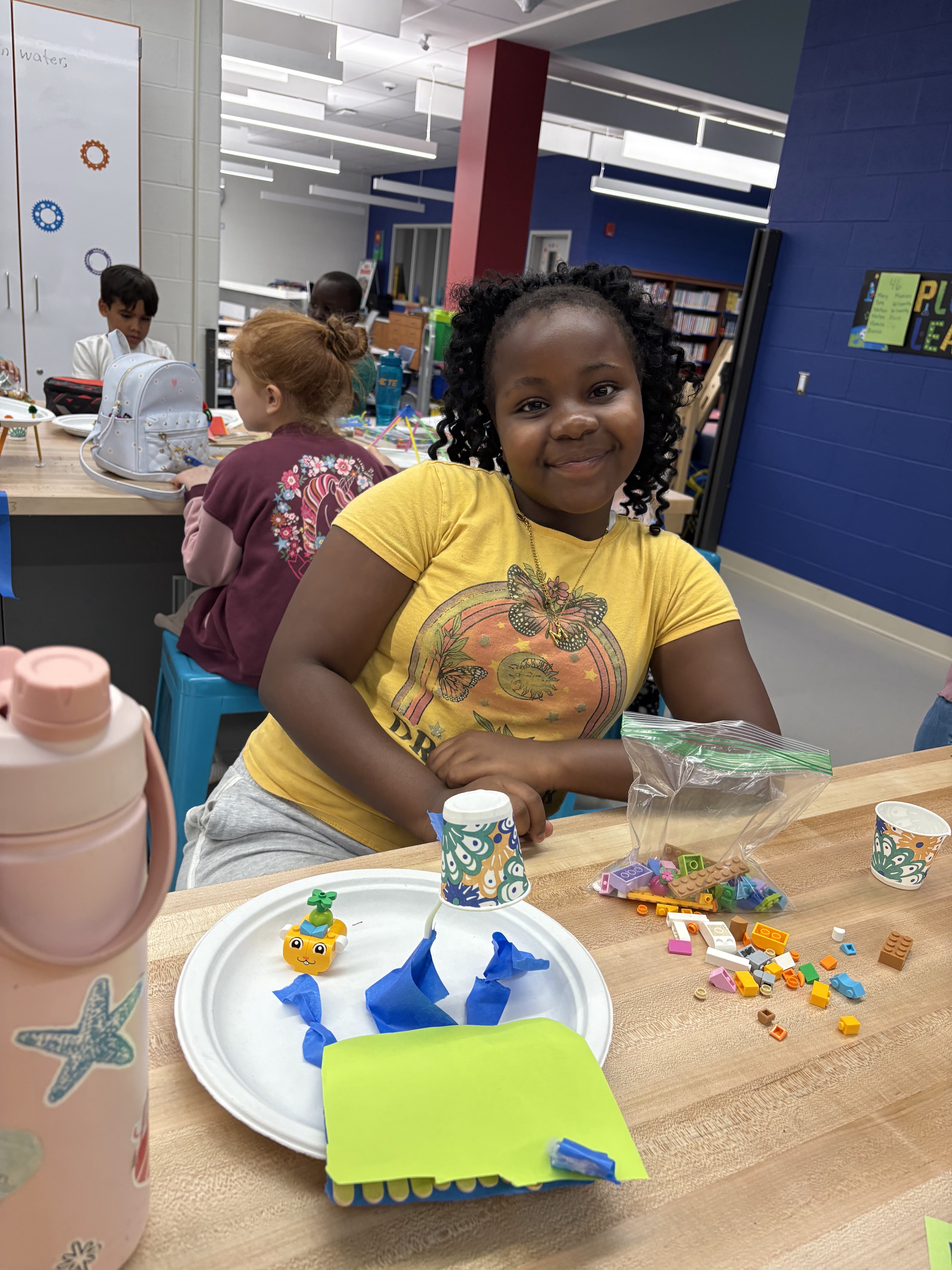
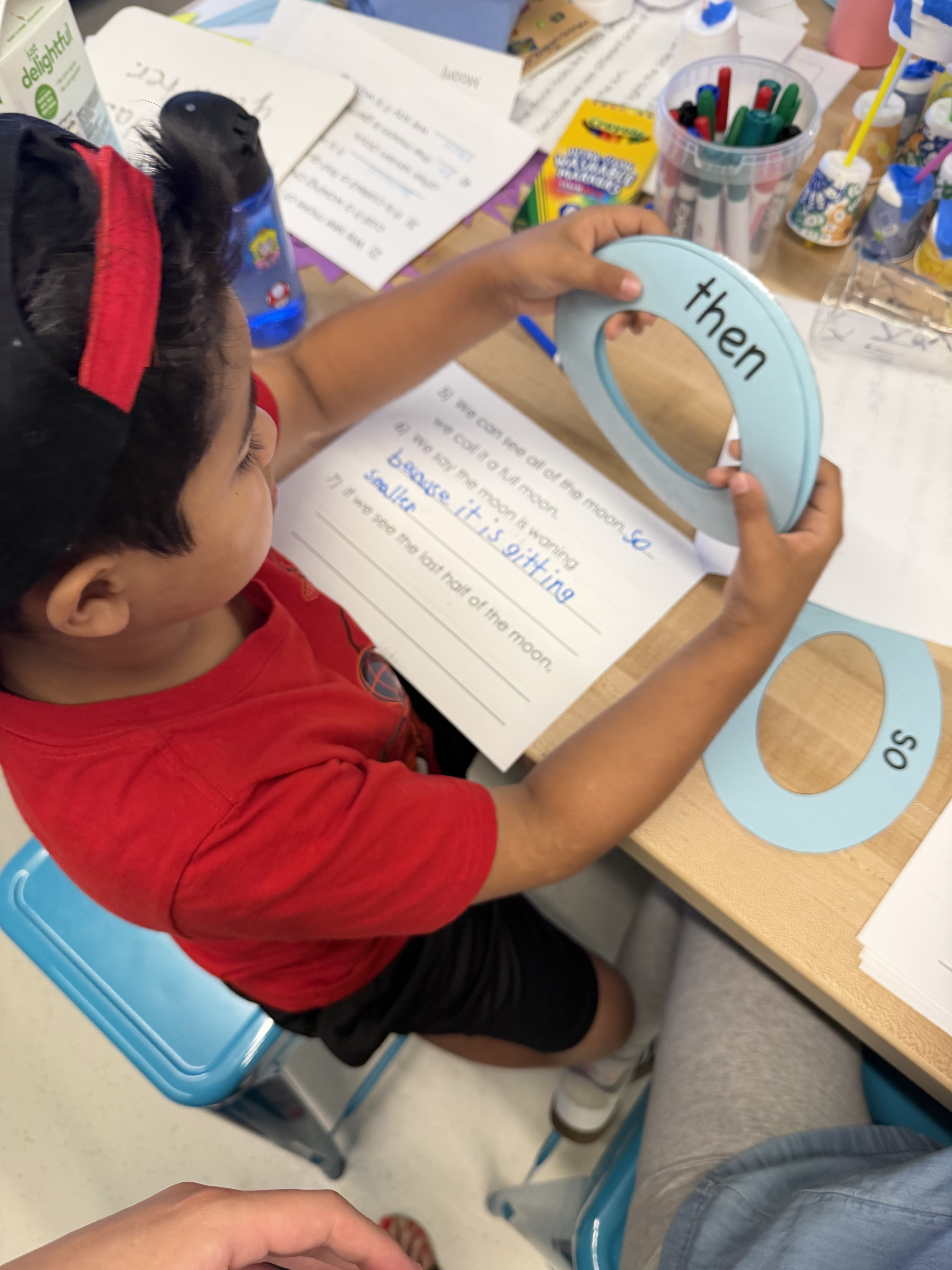
On the day CVEF visited camp, students were deep into space exploration — learning about the mission to Mars and the many different careers that make NASA's work possible. They reviewed key facts about the moon while weaving in a grammar lesson, blending literacy and science in exactly the way the program was designed to do. Then it was time to get hands-on: students designed, built, and tested their own lunar landers using craft materials, applying what they'd learned about protecting astronauts and safely transporting supplies through space.
 .
. 
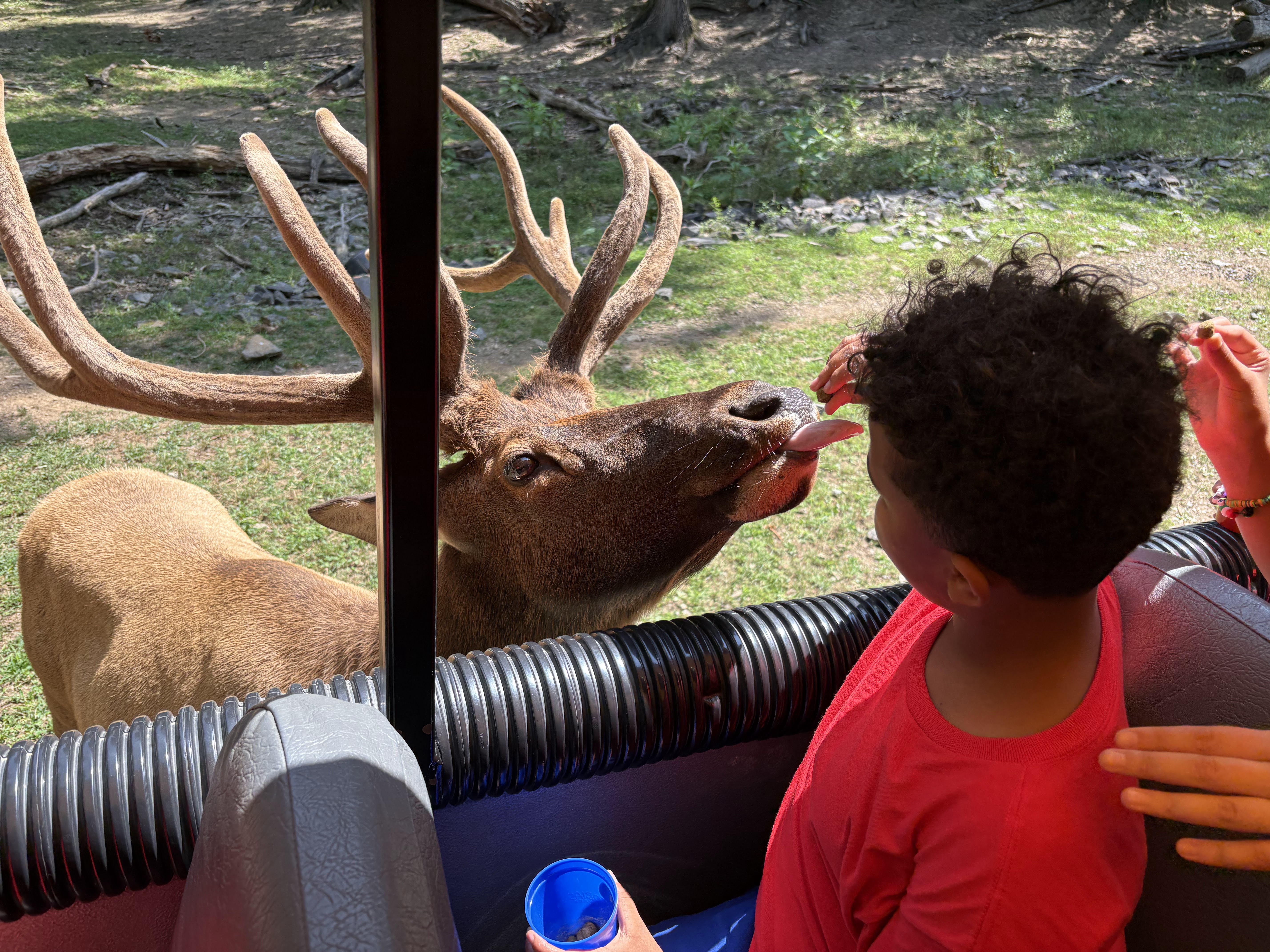
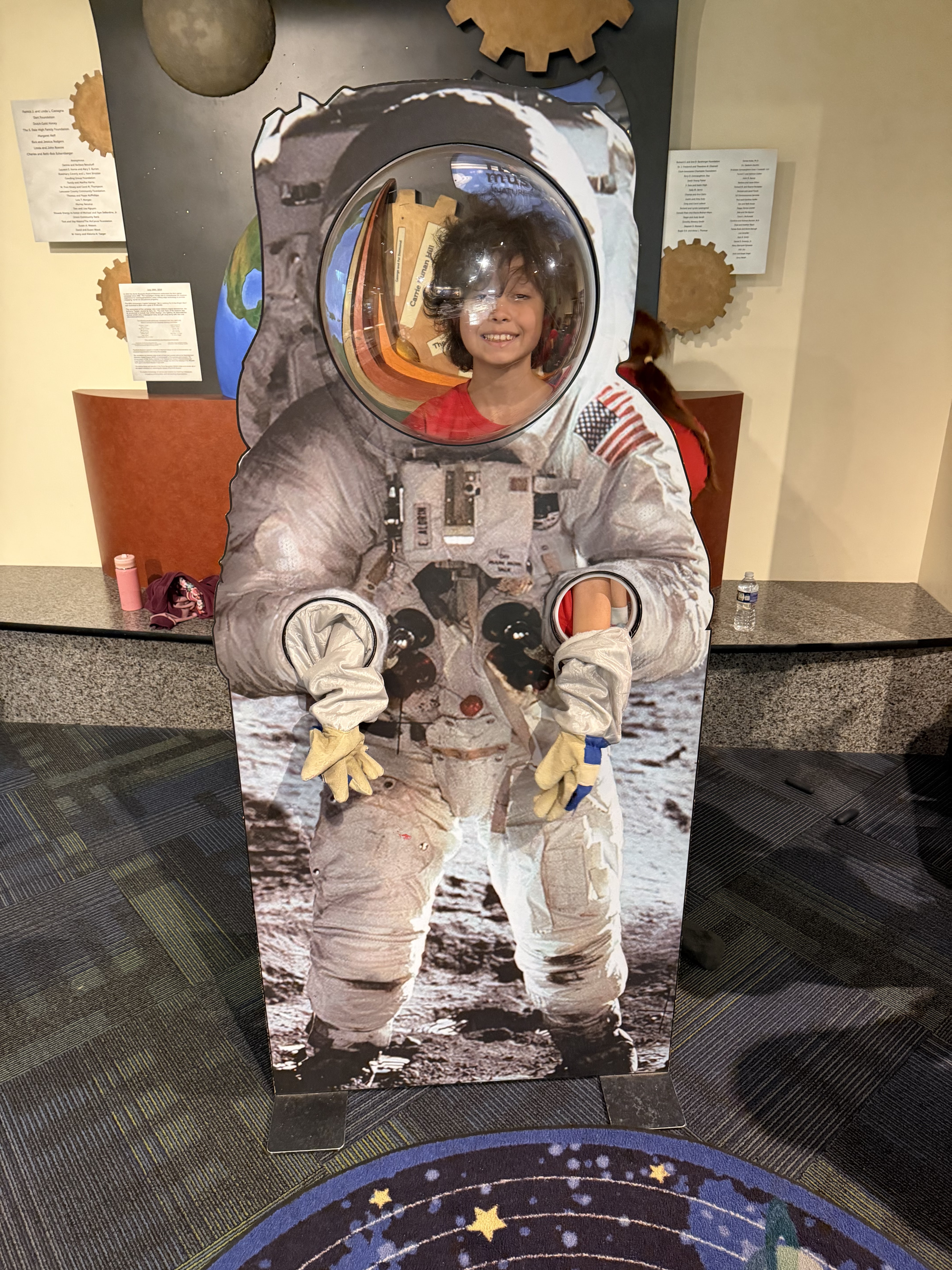
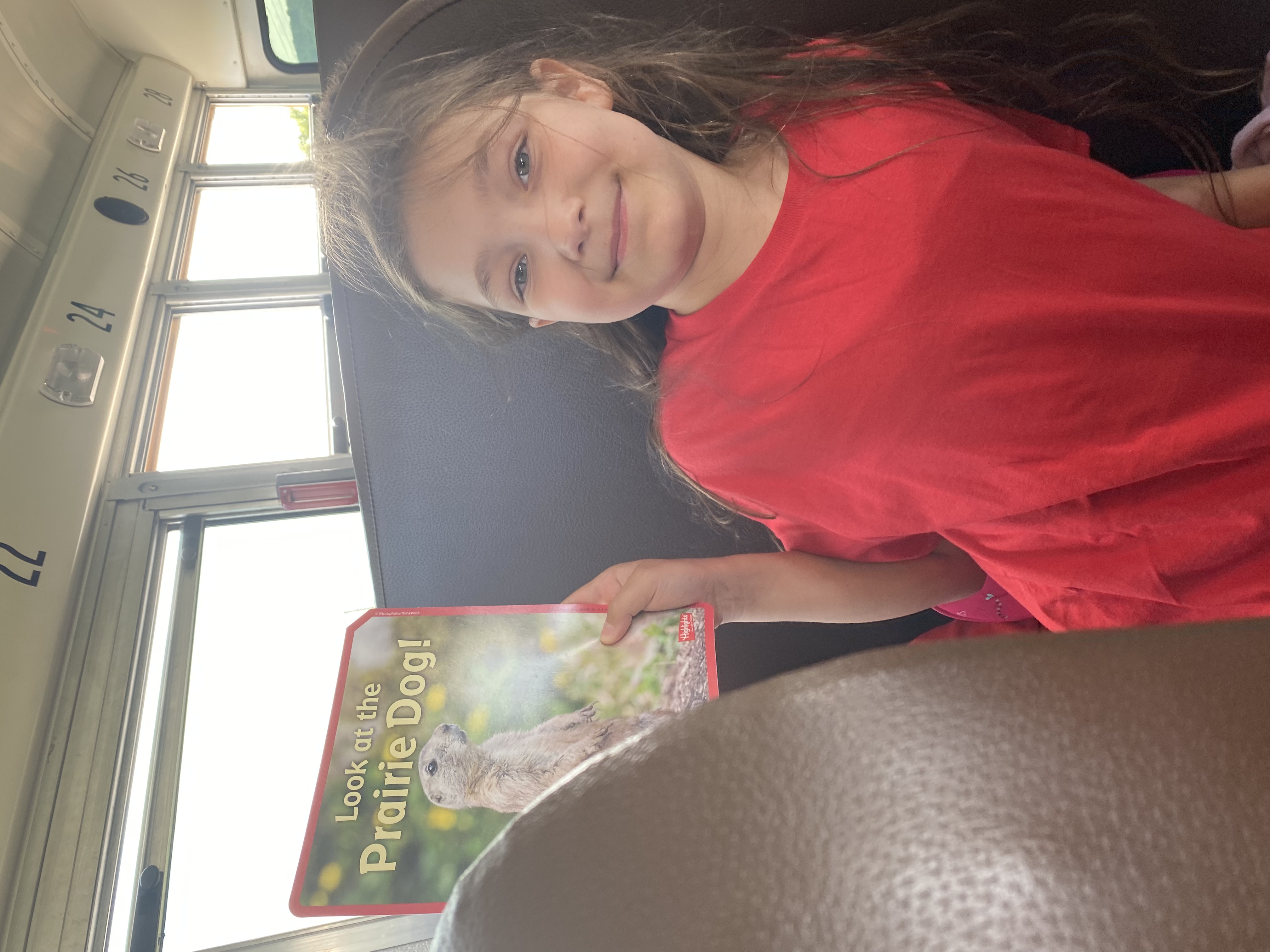
Beyond the classroom, camp days included fresh fruits and vegetables, outdoor recreation, and Friday field trips that brought learning to life — a visit to Lake Tobias Animal Park during Animal Week, and a trip to the North Museum, including the planetarium, during Space Week.
Three certified teachers planned and delivered instruction throughout the program, intentionally designing lessons that connected language acquisition with STEM concepts — ensuring every student, regardless of English proficiency, had full access to rigorous, engaging content.
Programs like this matter because summer learning loss disproportionately affects English Learners, who often have less access to academic English outside the school year. Structured, language-rich summer programming like this camp helps close that gap — protecting academic progress and setting students up for success when they return to the classroom in the fall.
Thanks to generous CVEF donors, students spent two weeks building lunar landers, comparing habitats, and finding their voice — in English and in science — all while having the kind of summer fun that makes learning stick.
Showing 1 reaction
Sign in with